Brenda Gantt’s 3-Ingredient Biscuits Are the Most Delicious I’ve Ever Made
Brenda Gantt’s 3-ingredient biscuits are changing how people think about homemade baking. Many home cooks feel intimidated by biscuit recipes with long ingredient lists and complicated techniques. They worry about dense, flat biscuits that don’t match their grandmother’s perfect fluffy creations.
But here’s the good news: you only need three simple ingredients.
Brenda Gantt, an Alabama native with over 176,000 YouTube subscribers, proves that less is more. Her approach strips baking down to its essence. No fancy equipment. No mystery ingredients. Just flour, shortening, and buttermilk working together.
In this guide, you’ll discover exactly how to make these legendary biscuits. You’ll learn the specific ingredients Brenda uses and why they matter. We’ll walk through her unique technique that creates tender, fluffy results every time. Plus, you’ll get practical tips for serving and troubleshooting.
Whether you’re a beginner or experienced baker, this recipe will become your go-to. It’s foolproof, forgiving, and incredibly delicious. Let’s dive into what makes Brenda Gantt’s buttermilk biscuits recipe so special.
Understanding Brenda Gantt’s 3 Ingredient Biscuits
Brenda Gantt’s approach to biscuit making is refreshingly simple. She runs “Cooking with Brenda Gantt” on YouTube, where she shares approachable Southern classics. Her biscuit recipe has become her signature dish for good reason.
The magic lies in simplicity. Three ingredients create biscuits that rival any complex recipe. This isn’t about shortcuts or sacrificing quality. It’s about understanding what biscuits really need to be perfect.
Why Three Ingredients Work
Each ingredient plays a specific role. Self-rising flour provides structure and leavening. Shortening creates tender, flaky layers. Buttermilk adds moisture and tangy flavor while activating the leavening agents.
Together, they create the perfect balance. Too many ingredients can actually work against you. They complicate the chemistry and mask the pure biscuit flavor you’re after.
The Southern Tradition Behind the Recipe
Southern biscuits have always been about resourcefulness. Cooks used what they had on hand. They developed techniques that worked with simple pantry staples.
Brenda honors this tradition. Her method comes from generations of Southern cooks. It’s been tested in real kitchens, not fancy test facilities.
Brenda Gantt Biscuit Recipe Ingredients Explained
The ingredients matter more than you might think. Using the right products makes a real difference in your final results.
Self-Rising Flour: The Foundation
Brenda uses White Lily Self-Rising Flour exclusively. This isn’t just brand loyalty. White Lily has unique properties that other flours can’t match.
It’s milled from soft winter wheat. This means lower protein content compared to all-purpose flour. Lower protein equals more tender biscuits.
The self-rising aspect includes baking powder and salt. These are already perfectly proportioned. You don’t need to measure or mix them separately.
Can you substitute? Technically yes, but results may vary. White Lily creates that signature Southern texture. Other self-rising flours will work but might produce slightly different results.
Shortening: The Secret to Tenderness
Brenda uses Crisco shortening. It’s neutral-flavored and stays solid at room temperature. This creates those flaky layers biscuits are famous for.
Shortening has a higher melting point than butter. This means it holds its shape during mixing. Those solid fat pockets create steam during baking, producing flaky layers.
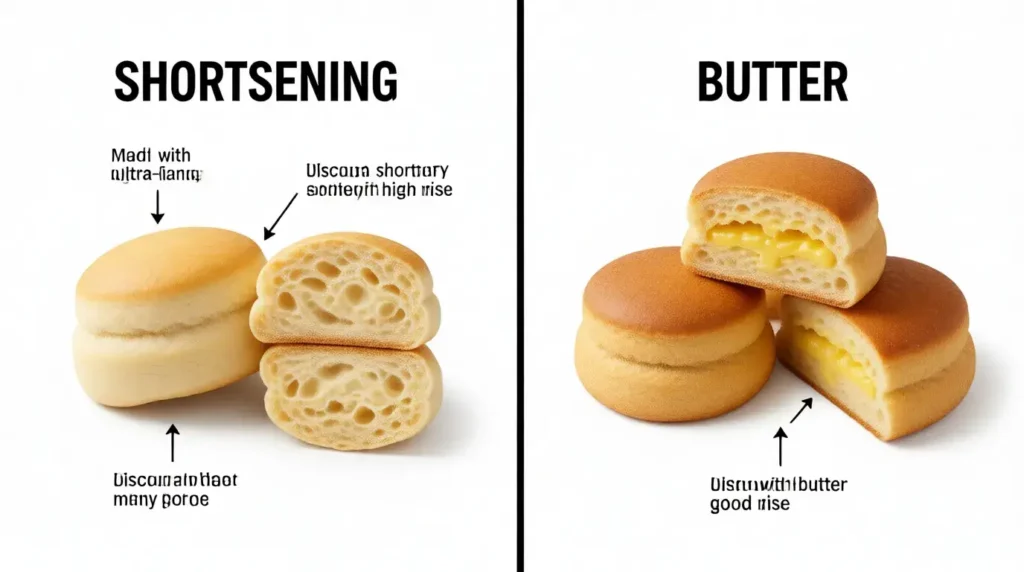
Shortening vs. Butter Comparison:
| Factor | Shortening | Butter |
|---|---|---|
| Flavor | Neutral | Rich, dairy flavor |
| Texture | Ultra-tender, flaky | Tender but denser |
| Melting Point | Higher (stays solid longer) | Lower (melts quickly) |
| Rise | Higher, fluffier | Good but less dramatic |
Some bakers use butter for flavor. That’s fine if you prefer it. Just know your biscuits will be slightly different in texture.
Buttermilk: The Flavor Enhancer
Buttermilk does double duty in this recipe. The acidity reacts with the baking powder in self-rising flour. This creates extra lift and rise.
It also adds a subtle tangy flavor. This balances the richness of the shortening perfectly.
Store-bought vs. Homemade Buttermilk:
| Type | Acidity | Thickness | Best For |
|---|---|---|---|
| Store-bought | Higher | Thicker, more viscous | Biscuits (recommended) |
| Homemade (milk + vinegar) | Lower | Thinner consistency | Quick substitute only |
Brenda recommends store-bought buttermilk. It has more acidity and better viscosity. These qualities improve both rise and texture.
Brenda Gantt Biscuit Recipe Measurements Decoded
Here’s where Brenda’s recipe gets interesting. She doesn’t use precise measurements like most recipes. Instead, she “measures with her heart.”
This sounds vague but it’s actually empowering. You learn to cook by feel and sight. This makes you a better baker overall.
The Actual Ingredient Amounts
For those who need structure, here are the approximate measurements:
- Flour: Start with 5 cups in your bowl (you’ll use about 2 cups)
- Shortening: 1/4 cup
- Buttermilk: 3/4 cup
The recipe yields 14-16 biscuits using a 2-inch cutter.
Why Visual Cues Matter More
Brenda guides you through visual references. The “bird’s nest” in the flour. The tacky texture of the dough. The 3/4-inch thickness after pressing.
These cues work better than exact measurements. Humidity affects flour. Room temperature affects shortening. Visual and tactile feedback helps you adjust.
Adjusting for Your Environment
Dry climate? Your flour might absorb more buttermilk. Humid weather? You might need slightly less liquid.
Pay attention to how the dough feels. It should be tacky but manageable. Too dry? Add a splash more buttermilk. Too wet? Work in a bit more flour.
This flexibility is the secret to consistent results. You’re not fighting your ingredients. You’re working with them.
Step-by-Step: Making Brenda Gantt Buttermilk Biscuits Recipe
Let’s walk through the actual process. Each step builds on the last for perfect results.
Preparation and Setup
Preheat your oven to 500°F. Yes, that’s extremely hot. This high heat creates the dramatic rise and golden tops.
Grease an 8 or 9-inch cast iron skillet with shortening. Cast iron retains heat beautifully. It gives biscuits a crispy bottom while keeping the interior tender.
Creating the Bird’s Nest
Sift 5 cups of flour into a large mixing bowl. Spread it up the sides of the bowl. Use the back of your hand to push flour down to the bottom.
Create a well in the center. This well should be deep and wide. The flour on the bottom should be firmly packed.
This technique serves a purpose. You’ll add wet ingredients to the well. Then you’ll gradually incorporate flour from the sides.
Mixing the Dough
Add 1/4 cup shortening to the well. Pour in 3/4 cup buttermilk on top. Now comes the unique part.
Use clean fingertips to pinch the shortening and buttermilk together. Don’t touch the flour yet. You’re just combining these two ingredients first.
Once they’re mixed, use your forefinger. Sweep the sides of the bowl in a circular motion. Grab small amounts of flour and bring them toward the center.
Keep sweeping and gathering. The dough will start coming together. It’ll look shaggy at first. That’s normal.
Kneading and Shaping
When you have a bulky, tacky ball, transfer it to a floured surface. You’ll leave about 3 cups of flour in the bowl. Brenda saves this for her next baking project.
Flour your hands generously. Pull the dough from the outside edges toward the center. Rotate and repeat until you have a smooth, round ball.
Flip the dough over. Press gently with your hands until it’s 3/4-inch thick. Don’t overwork it. Gentle handling keeps biscuits tender.
Cutting and Baking
Use a floured 2-inch round cutter. Press straight down without twisting. Twisting seals the edges and prevents rising.
Place cut biscuits in your prepared pan. They should touch each other. This helps them rise upward instead of spreading outward.
Gather scraps, press together gently, and cut more biscuits. These “second cut” biscuits might not rise quite as high, but they’re still delicious.
Bake for 12-15 minutes. They’re done when puffy and golden on top. The high heat works quickly, so watch them closely.
Serving Ideas for Your 3 Ingredient Biscuit Recipe
These biscuits are incredibly versatile. Here are proven ways to enjoy them.
Classic Presentations
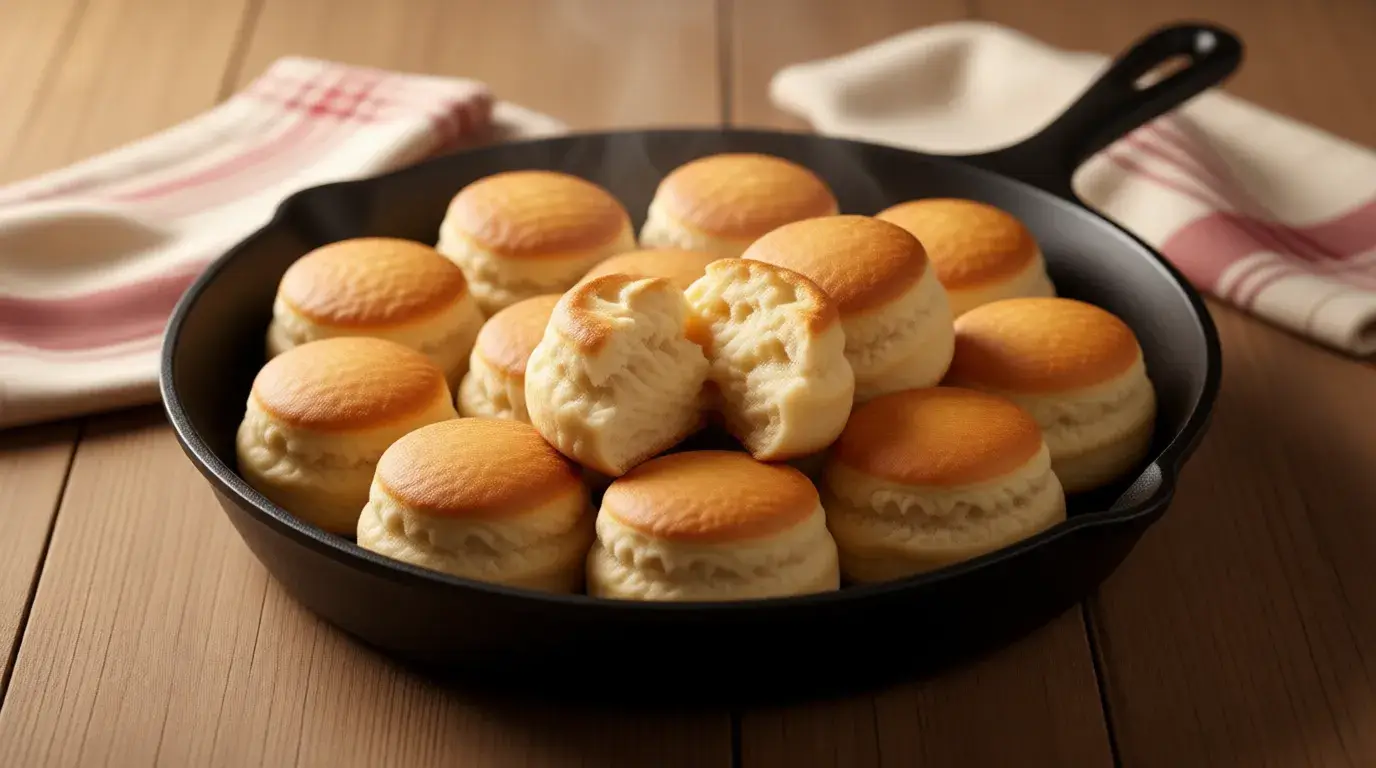
Hot and plain: Pull one apart while it’s still steaming. The tender interior and slight tang need nothing else.
With butter and jam: A classic for good reason. The richness of butter and sweetness of jam complement the tangy biscuit perfectly.
Honey butter: Mix softened butter with honey. Spread generously on warm biscuits for an indulgent treat.
Meal Applications
Breakfast sandwiches: Cut biscuits larger (3-inch rounds). Split and fill with scrambled eggs, cheese, and bacon.
Biscuits and gravy: The larger rounds work perfectly here too. Top with sausage gravy for a hearty breakfast.
Sandwich base: Use for lunch sandwiches. Turkey, cheddar, and apple butter make an amazing combination.
Creative Uses
Strawberry shortcake: Split biscuits and layer with fresh strawberries and whipped cream.
Pot pie topping: Place biscuits on top of chicken pot pie filling. Bake until golden.
Slider buns: Mini biscuits make perfect slider buns for parties.
Common Questions About Brenda Gantt Recipes
Working with this simple recipe often raises questions. Let’s address the most common ones.
Troubleshooting Dense Biscuits
Dense biscuits usually come from overmixing. When you incorporate the flour, work quickly and gently. Overworking develops gluten, which creates toughness.
Another culprit? Old baking powder. Self-rising flour contains leavening agents. If your flour is old, these lose potency.
Making Ahead and Storage
You can cut biscuits and freeze them unbaked. Place on a baking sheet until frozen solid. Transfer to a freezer bag for up to 3 months.
Bake frozen biscuits at the same temperature. Add 2-3 minutes to the baking time.
Baked biscuits keep at room temperature for 2 days. Reheat in a 350°F oven for 5 minutes to refresh them.
Scaling the Recipe
Want more biscuits? The ratios stay the same. For every 2 cups of flour you actually use, you need about 1/4 cup shortening and 3/4 cup buttermilk.
Remember, you start with more flour than you’ll use. Having extra in the bowl makes the mixing technique work properly.
Why This Recipe Connects to Modern Communication
Interestingly, Brenda’s simple approach mirrors how we communicate today. Just like people wonder what “ttyl” means in text, cooking has its own shorthand.
Brenda’s visual cues are like cooking shorthand. Experienced bakers understand immediately. Beginners learn the language through practice.
This generational knowledge transfer matters. It keeps traditions alive while making them accessible to new cooks.
Tips for Brenda Gantt Cookbook Success
Brenda has published cookbooks expanding on her YouTube success. These tips apply whether you’re using her videos or books.
Start Simple
Don’t jump to complex recipes right away. Master these 3-ingredient biscuits first. They teach fundamental techniques you’ll use in other recipes.
Watch and Learn
Brenda’s videos provide visual context. Watch how she handles the dough. Notice the consistency she’s looking for. These details matter more than written instructions.
Trust the Process
Her methods might seem unusual at first. The bird’s nest technique. Measuring by feel. Trust that it works. Thousands of successful bakers prove it does.
Make It Your Own
Once you master the basic recipe, experiment. Try different serving methods. Adjust slightly for your preferences. This is how cooking traditions evolve.
Frequently Asked Questions
What are Brenda Gantt’s 3 ingredient biscuits made of?
Brenda Gantt’s 3 ingredient biscuits use self-rising flour, shortening, and buttermilk. She specifically recommends White Lily Self-Rising Flour and Crisco shortening. Store-bought buttermilk works best because it has higher acidity than homemade versions. These three ingredients create tender, fluffy biscuits with a subtle tangy flavor.
How do you measure ingredients for Brenda Gantt biscuit recipe measurements?
Brenda measures by visual cues rather than exact amounts. Start with 5 cups flour in your bowl, though you’ll only use about 2 cups. Add 1/4 cup shortening and 3/4 cup buttermilk. Watch the dough consistency instead of fixating on precise measurements. The dough should be tacky but workable when ready.
Can I use butter instead of shortening in the 3 ingredient biscuit recipe?
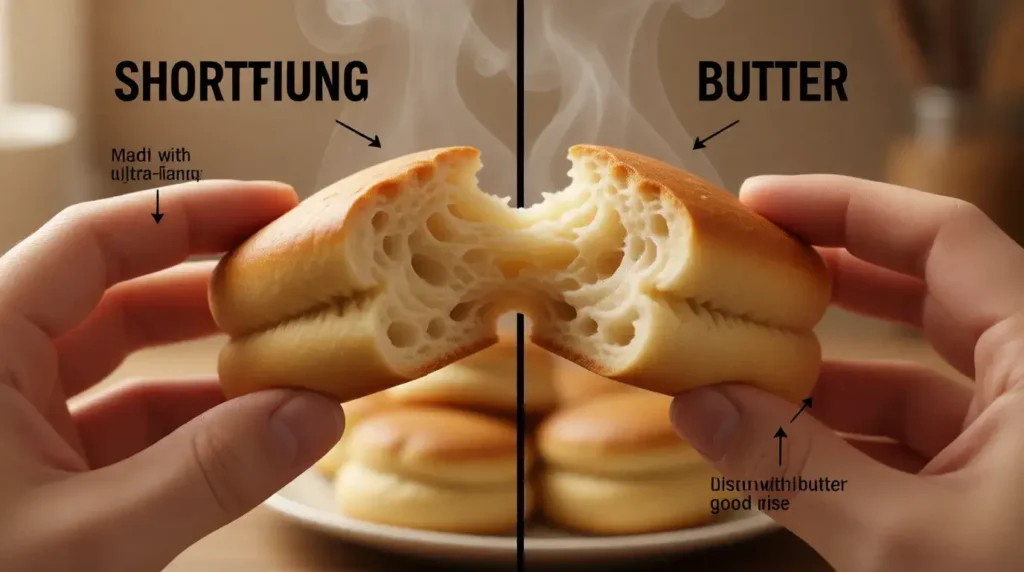
You can substitute butter, but results will differ. Shortening creates ultra-tender, flaky biscuits because of its higher melting point. Butter adds rich flavor but produces slightly denser biscuits. If using butter, keep it very cold and work quickly. The texture won’t be quite as light as Brenda’s original recipe.
Why does the Brenda Gantt buttermilk biscuits recipe use such high heat?
The 500°F oven temperature creates dramatic rise and golden tops. High heat causes rapid steam production from the buttermilk and shortening. This steam pushes biscuit layers apart, creating fluffiness. Lower temperatures produce acceptable but less impressive results. Just watch carefully to prevent burning.
How many biscuits does Brenda Gantt’s recipe make?
The recipe yields 14-16 biscuits when using a 2-inch round cutter. Larger 3-inch cutters produce 8-10 biscuits, perfect for breakfast sandwiches or biscuits and gravy. The exact number depends on how thick you roll the dough and how efficiently you arrange your cuts.
What does mhm mean in text when discussing recipes online?
“Mhm” in text means “yes” or indicates agreement. When reading recipe comments or cooking forums, people use “mhm” to acknowledge instructions or show approval. It’s informal communication, similar to nodding in agreement. In recipe contexts, it usually means someone understands or agrees with a cooking tip.
Conclusion: Your Path to Perfect Biscuits
Brenda Gantt’s 3-ingredient biscuits prove that simple really can be better. You don’t need complicated techniques or expensive equipment. Just three quality ingredients and the willingness to learn.
The key takeaways? Use White Lily flour for best results. Don’t overmix your dough. Trust visual and tactile cues over strict measurements. Bake at high heat for dramatic rise.
Remember why this recipe works. Each ingredient serves a purpose. The technique has been refined through generations. The simplicity removes obstacles between you and delicious biscuits.
Start with this basic recipe. Master the fundamentals. Then explore the endless variations and serving options.
Your first batch might not be perfect. That’s okay. Each attempt teaches you something. Soon you’ll be making these by heart, just like Brenda does.
Grab your ingredients and give it a try. Your kitchen will smell amazing. Your family will be impressed. And you’ll have mastered a true Southern classic.